In our earlier post we had reviewed Blender, one of the most Competent free 3D modeling alternative to Autodesk’s 3ds Max, Maya, RenderMan etc. While Blender has an exhaustive feature set, the K-3D has a potential to get more features added because of its good design and "everything is a plugin" philosophy. Blender has a built-in render engine, and poor support for integrating third-party render engines such as Aqsis. On the other hand any rendering engine can be integrated to K-3D because everything in K-3D is a plugin, including render engines, lights, and materials.
Author Tim Shead began work on in early 1994, on an Amiga computer. At that time, the program was called Equus-3D and work was subsequently moved to Win32. The application evolved and the plan was to commercialize the product under the name K-3D. However, in 1999 Tim opted to release K-3D under the free-as-in-freedom GNU General Public Licence, which led to K-3D’s slogan: "Seven Degrees of Freedom".
K-3D is a complete free-as-in-freedom 3D modeling, animation and rendering system that features a robust plugin architecture and visualization pipeline, designed to scale to the needs of professional artists. K-3D is designed from-the-ground-up to generate motion-picture-quality animation using RenderMan-compliant render engines. Volunteers have built K-3D on nearly any platform you can imagine, including Linux, Mac OSX, Windows, BSD Unix, and Solaris.
The main features of K-3D include:
- Record interactive tutorials and macros.
- Unlimited undos / redos
- Create and edit documents in multiple realtime OpenGL solid, shaded, texture-mapped views
- Scripting interface supports K3DScript and Python, with an open API for other scripting languages
- Model, animate, and interact with animations while they play back for maximum productivity
- Highly-evolved architecture allows complete extensibility at runtime through third-party plugins
- Animated geometric procedural effects
- Powerful control-spline based animation in a uniform interface
- Uses the Pixar Renderman Interface to render motion-picture-quality images with a wide variety of rendering engines
- Supports Renderman Subdivision Mesh output.
- Background rendering and batch rendering.
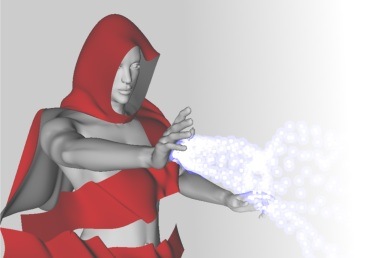
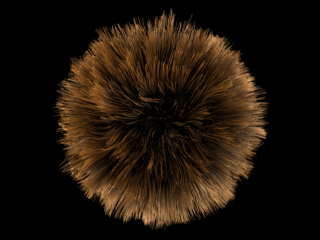
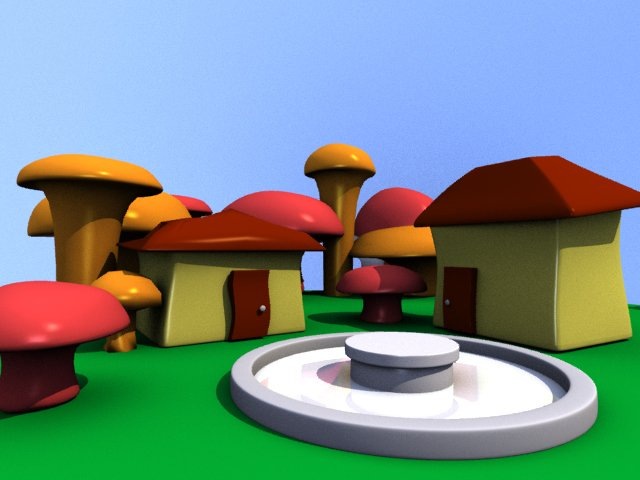
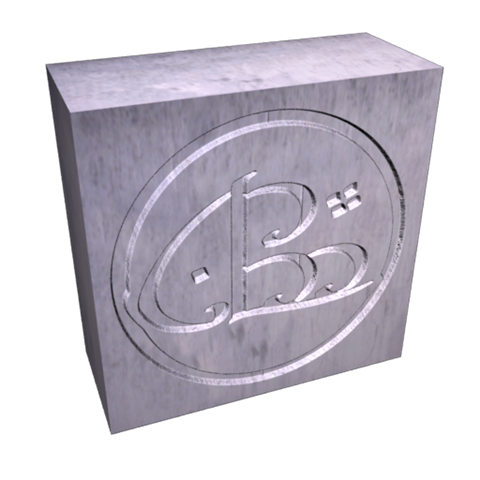
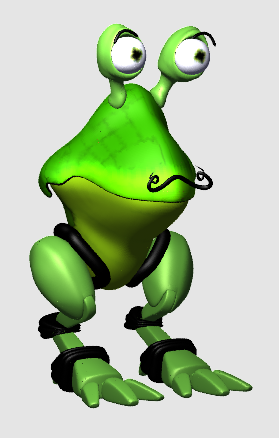
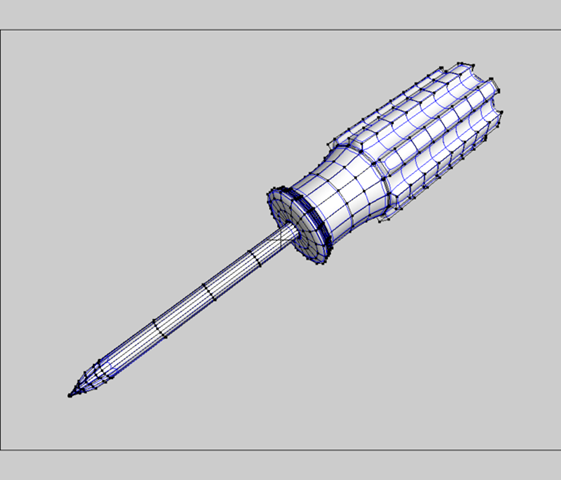
Here are some images from the Still Gallery:
Checkout the Animation Gallery here.